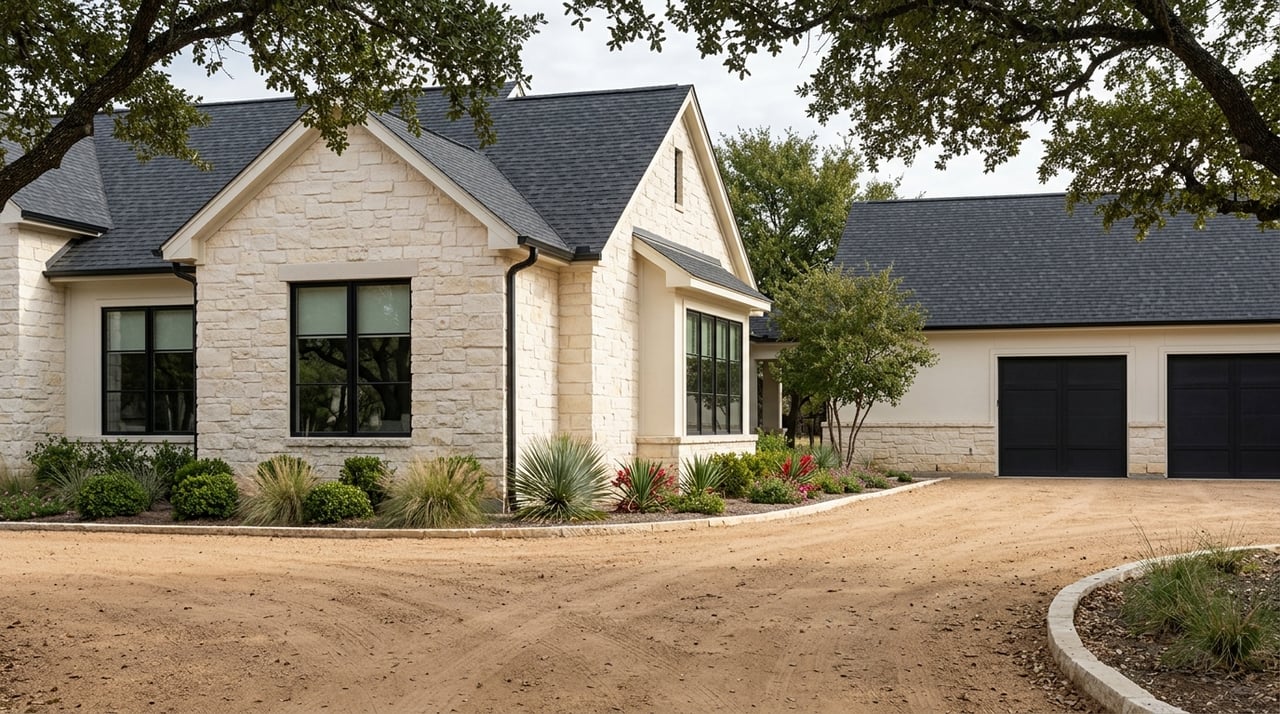
If you are drawn to the idea of more space, privacy, or a true Hill Country lifestyle, Kerrville acreage can be incredibly appealing. But a large lot and a real lifestyle property are not always the same thing, and that difference can affect how you use the land, what it costs to own, and how confident you feel after closing. This guide will help you understand what sets acreage and lifestyle properties apart in Kerrville, what features matter most, and which due diligence steps deserve your full attention. Let’s dive in.
Why Kerrville acreage feels different
Kerrville’s land tells a big part of the story. The city sits along the Guadalupe River on the Edwards Plateau, and Kerrville’s long-range planning documents describe rolling grasslands, hills, basins, limestone terrain, and a significant floodplain footprint.
That setting shapes the kind of properties you see in and around Kerrville. Instead of being defined only by square footage, many acreage listings are tied to lifestyle uses such as horses, hobby ranching, river access, privacy, or multigenerational guest space.
Kerrville’s 2050 plan also notes that the combined 100-year and 500-year floodplains cover 25% of the city limits. That does not mean every acreage property is at risk, but it does mean land characteristics matter in a very practical way when you compare one property to another.
What counts as a lifestyle property
In Kerrville, a lifestyle property usually offers more than extra elbow room. It is often a property where the land itself plays an active role in how you plan to live, whether that means keeping horses, managing wildlife, enjoying creek or river frontage, storing equipment, or creating a more private retreat.
Public listings in the area show how broad that category can be. You may see horse-property tracts, riverfront parcels, ag-exempt ranch-style properties, or legacy-style retreats with guest houses, barns, deer pens, multiple wells, and long private drives.
That variety is exactly why two properties with similar acreage can feel completely different in value and function. One tract may be mostly scenic, while another may be set up to support livestock, recreation, water access, or long-term land stewardship.
Common property types in Kerrville
Equestrian properties
These properties are typically geared toward horse use and may include cross-fencing, stables, turnout areas, tack space, equipment storage, and accessible terrain. Kerr CAD’s agricultural guidelines specifically recognize horse operations as an agricultural use, which can matter if your goal goes beyond simple residential ownership.
Hobby ranches
A hobby ranch often appeals to buyers who want usable land for grazing, light agricultural use, or a hands-on rural lifestyle without operating a large commercial ranch. The real value here is usually in how well the land supports your intended use, not just how many acres appear on paper.
Privacy estates
Some Kerrville acreage properties are more about retreat and seclusion than active land use. These may feature wooded terrain, long driveways, guest quarters, multiple structures, and a layout designed around quiet, views, and separation from neighboring homes.
River or creek retreats
Water-adjacent properties are often some of the most attractive listings in the area. Features like river frontage, creek access, or deep-water access can be a major draw, but they should always be weighed alongside floodplain considerations and site-specific land usability.
Features that often drive value
Acreage properties are rarely priced only by the home itself. In Kerrville, value often depends on a mix of land utility, improvements, access, and water.
Important features to evaluate include:
- Usable acreage versus steep or limited-use land
- Road frontage and ease of access
- River or creek frontage
- Wells and water infrastructure
- Cross-fencing and pasture setup
- Barns, stables, and equipment storage
- Guest quarters or additional structures
- Long-term agricultural use potential
- Privacy created by terrain or tree cover
Public listing patterns in Kerrville suggest that usable acreage, horse facilities, river frontage, and move-in-ready improvements are often marketed as premium features. That is not a formal appraisal rule, but it does reflect how these properties are commonly positioned in the local market.
Why acreage pricing can be tricky
If you start researching values in Kerrville, you will quickly notice that headline market numbers do not always match. Mid-2026 citywide figures varied by source, with Zillow reporting an average home value of $354,861, Redfin reporting a median sale price of $360,000, and Realtor.com reporting a median listing price of $470,000.
Those numbers are not wrong so much as different. They measure different things, and they are citywide figures rather than acreage-only data, which is why acreage buyers should be careful about relying on one quick stat.
For lifestyle properties, pricing often comes down to more specific questions. How much of the land is usable? Is there frontage? Are there wells or existing improvements? Is the tract set up for horses, grazing, wildlife management, or recreation? Those details can shape value far more than a basic price-per-square-foot comparison.
Understanding ag valuation in Kerr County
One of the biggest points of confusion for acreage buyers is agricultural appraisal, often called ag valuation or ag exemption in everyday conversation. In Kerr County, the land must meet specific standards, and not every rural-looking property will qualify.
Kerr CAD states that agricultural appraisal applies only to land. Homes, barns, and similar improvements are appraised separately at market value, while features such as fences, canals, water wells, roads, and stock tanks are valued as part of the land.
Kerr CAD’s 2026 guidelines also say that qualifying land must be principally devoted to agriculture, meet local intensity standards, and show a five-of-the-previous-seven-years use history. Casual use is not enough, and small tracts developed mainly for residential use generally do not qualify.
If land changes to a non-agricultural use, rollback taxes can apply for the prior three years, plus interest. That is why you should never assume a current tax treatment will continue without verifying the property’s actual eligibility and your intended future use.
Wildlife management and horses
Kerr CAD recognizes both horse operations and wildlife-management operations as agricultural uses. If your goal is to own land for habitat-oriented purposes rather than traditional livestock use, that can be relevant.
However, wildlife-management appraisal has added requirements. Texas Parks and Wildlife states that a wildlife management plan is required and that the land can only convert from property already appraised as agricultural or timberland.
City limits, county rules, and why location matters
One of the most important due diligence questions is where the property sits from a regulatory standpoint. A tract inside Kerrville city limits can involve a different rule set than a property in the ETJ or in unincorporated Kerr County.
Kerr County says it does not require building permits or Certificates of Occupancy and has no zoning restrictions in its subdivision rules. At the same time, the county notes that setback requirements, plat rules, floodplain requirements, and deed restrictions may still apply.
Kerrville, by contrast, has a city planning structure that includes zoning authority. That means two acreage properties in the same general area may come with very different development considerations depending on jurisdiction.
Water, septic, and access questions to ask
With lifestyle properties, the practical systems behind the scenes often matter just as much as the views. Before you move forward, make sure you understand how the property functions day to day.
Water supply
All real property in Kerr County falls under the Headwaters Groundwater Conservation District. The district registers and permits wells in the county, so if a property has a well, needs a new well, or depends heavily on groundwater, that deserves close review.
HGCD’s drought plan uses monitor wells and Guadalupe River flow at Kerrville to guide drought stages, and its recommendations call for progressive water-use reductions. If you are considering irrigation, livestock water needs, or extensive landscaping, ask about pumping capacity, storage, and how the property performs in drier conditions.
Septic systems
Kerr County’s Environmental Health Department says OSSF permits are required to install a septic system. If the property has an existing septic system or space for future improvements, you will want to confirm permitting and suitability early in the process.
Road and driveway access
Access is easy to overlook until it becomes a problem. Kerr County requires driveway permits for access to county-maintained roads, so it is smart to verify what is already approved and whether future improvements may need additional review.
Floodplain and wildfire considerations
Kerrville’s beauty is tied closely to its natural setting, and that makes risk review part of smart acreage buying.
Flood exposure
River and creek proximity can be a wonderful lifestyle feature, but it also deserves careful study. Kerr County requires floodplain permits for work in the floodplain, and Kerrville’s floodplain information makes clear that river-adjacent land can be both highly desirable and flood-sensitive.
This is especially important in a market where the city reports a meaningful floodplain footprint. If a property includes low-lying land, river access, or creek frontage, make sure you understand how that affects building, improvements, access, and long-term use.
Wildfire profile
Texas A&M Forest Service has noted elevated wildfire risk tied to Hill Country grass loading. Kerr County public notices also explain that burn bans may be issued in unincorporated areas and that prescribed burns require formal notice and a burn plan.
For acreage owners, wildfire awareness is part of responsible ownership. Terrain, vegetation, maintenance needs, and seasonal conditions should all be part of your review.
Verify boundaries and legal acreage
This step is simple but essential. Kerr CAD’s property search warns that legal descriptions and acreage amounts are for appraisal use only and should be verified for legal purposes.
The Kerr County Clerk is the official record keeper for plats, surveys, and deeds. If you are buying acreage, do not rely on marketing language alone to confirm exact boundaries, legal access, or the amount of usable land you are actually purchasing.
Big lot versus true lifestyle tract
This may be the most helpful distinction of all. A big lot can give you more room around the house, but a true lifestyle tract usually offers infrastructure, land characteristics, and legal utility that support a specific way of living.
That could mean horse facilities, a history of agricultural use, water systems, cross-fencing, guest accommodations, or frontage that creates recreational value. In Kerrville, the difference is often defined by permitting, water, tax treatment, access, and whether the land truly supports your goals.
How to shop acreage with confidence
When you tour Kerrville acreage, try to look beyond first impressions. Scenic views and a beautiful home matter, but the smartest buyers also study what the land can realistically do.
A calm, informed approach usually includes:
- Clarifying your intended use before you start shopping
- Comparing usable land, not just total acreage
- Reviewing floodplain and access conditions early
- Asking detailed questions about wells and drought planning
- Confirming septic status and improvement history
- Verifying ag valuation eligibility instead of assuming it transfers
- Checking surveys, deeds, and legal descriptions through the proper records
That kind of preparation can save you time, money, and stress. It also helps you find a property that truly fits the lifestyle you want, whether that means horses, river access, privacy, or a more hands-on Hill Country land experience.
If you are exploring acreage or lifestyle property in Kerrville, having steady local guidance can make the process much clearer. For personalized help comparing land, lifestyle fit, and next steps, connect with Terri Taylor-Walker, Realtor.
FAQs
What makes a Kerrville property a lifestyle property instead of just a large lot?
- A lifestyle property usually supports a specific use such as horses, hobby ranching, wildlife management, river access, or privacy living, while a large lot may simply offer extra space without the same utility or improvements.
How should buyers evaluate acreage value in Kerrville, TX?
- You should look beyond house size and compare usable acreage, water features, access, wells, improvements, agricultural use potential, and floodplain impact because citywide price data does not capture the full picture of acreage value.
Can agricultural appraisal apply to Kerrville acreage properties?
- It can apply if the land meets Kerr CAD standards for agricultural use, local intensity, and use history, but homes and many structures are still appraised separately at market value.
What should buyers know about wells on acreage property in Kerr County?
- Wells in Kerr County fall under the Headwaters Groundwater Conservation District, so you should ask about well permits, pumping capacity, water storage, and how drought conditions may affect the property.
Are floodplain issues important for riverfront property in Kerrville?
- Yes, riverfront and creek-adjacent land can be highly desirable but also flood-sensitive, and floodplain location can affect building, improvements, access, and permitting.
Do Kerr County acreage properties have zoning or permit requirements?
- Unincorporated Kerr County does not require building permits or Certificates of Occupancy and has no zoning restrictions in its subdivision rules, but floodplain permits, driveway permits, setbacks, plats, and deed restrictions may still apply depending on the property.
Why should buyers verify surveys and legal acreage for Kerrville land?
- Kerr CAD notes that acreage and legal descriptions in its records are for appraisal use only, so buyers should verify surveys, deeds, and plats through official records for legal accuracy.