Are you dreaming about a place where scenic drives, historic streets, and Hill Country sunsets are part of everyday life? If Fredericksburg has caught your attention, you are not alone. This charming Texas Hill Country town offers more than weekend appeal, and understanding how it lives day to day can help you decide whether it is the right fit for your next move. Let’s take a closer look.
Why Fredericksburg Stands Out
Fredericksburg has a distinct identity shaped by preservation, local business, and Hill Country beauty. The city describes it as a community known for German heritage, locally owned shops, award-winning wineries, and scenic surroundings. That mix gives the town a character that feels intentional rather than generic.
Downtown plays a big role in that experience. Main Street is the commercial center, with more than 150 shops, boutiques, and art galleries, along with dozens of restaurants and tasting rooms. In the National Historic District, chain stores are not allowed, which helps preserve the local feel many buyers are looking for.
Marktplatz serves as a central gathering place for festivals and community events. The historic district also includes more than 80 points of interest, which adds another layer of texture to daily life. If you value a town with a clear sense of place, Fredericksburg offers that in a very visible way.
Hill Country Lifestyle in Fredericksburg
Living in Fredericksburg often means having easy access to the experiences people usually associate with a getaway. The difference is that when you own a home here, those experiences can become part of your normal routine. That is a big part of the town’s appeal for full-time residents, second-home buyers, and those exploring a lifestyle change.
Wine Country Access
Fredericksburg is closely tied to Texas wine country. The area features more than 75 wineries, over 30 wine-tour companies, and more than 10 downtown tasting rooms within walking distance of historic sites, shops, and lodging. For many buyers, that adds a strong lifestyle element that goes beyond the home itself.
The local calendar also reflects that culture. The Fredericksburg Food & Wine Festival highlights 75 or more wineries and culinary vendors during its festival weekend downtown. Even if you are not planning your life around wine events, that steady activity helps shape the town’s energy and visitor draw.
Farms, Peaches, and Wildflowers
Agritourism is another part of everyday life in the area. Gillespie County is one of the largest peach-producing counties in Texas, with about 600 acres of peach trees and roadside stands along Highway 290 and Highway 87 South. Peach season typically runs from mid-May through mid-August.
Wildflower season is another local highlight. Wildseed Farms is identified as the nation’s largest working wildflower farm, with spring and summer known for blooms and fall tied to planting season. These details may seem simple, but they contribute to the seasonal rhythm that makes Fredericksburg feel rooted and memorable.
Outdoor Space and Dark Skies
Fredericksburg also offers a quieter side through parks and recreation. Lady Bird Johnson Municipal Park spans 330 acres and includes walking trails, birdwatching, picnic areas, sports fields, and RV camping. The area also supports hiking, kayaking, birding, and golf.
Dark skies are part of the local appeal too. The region includes two International Dark Sky Parks, Enchanted Rock State Natural Area and Lyndon B. Johnson National Historical Park, and Fredericksburg became a Dark Sky Community in 2020. If you want room to slow down and enjoy the landscape, that matters.
What Homes Look Like in Fredericksburg
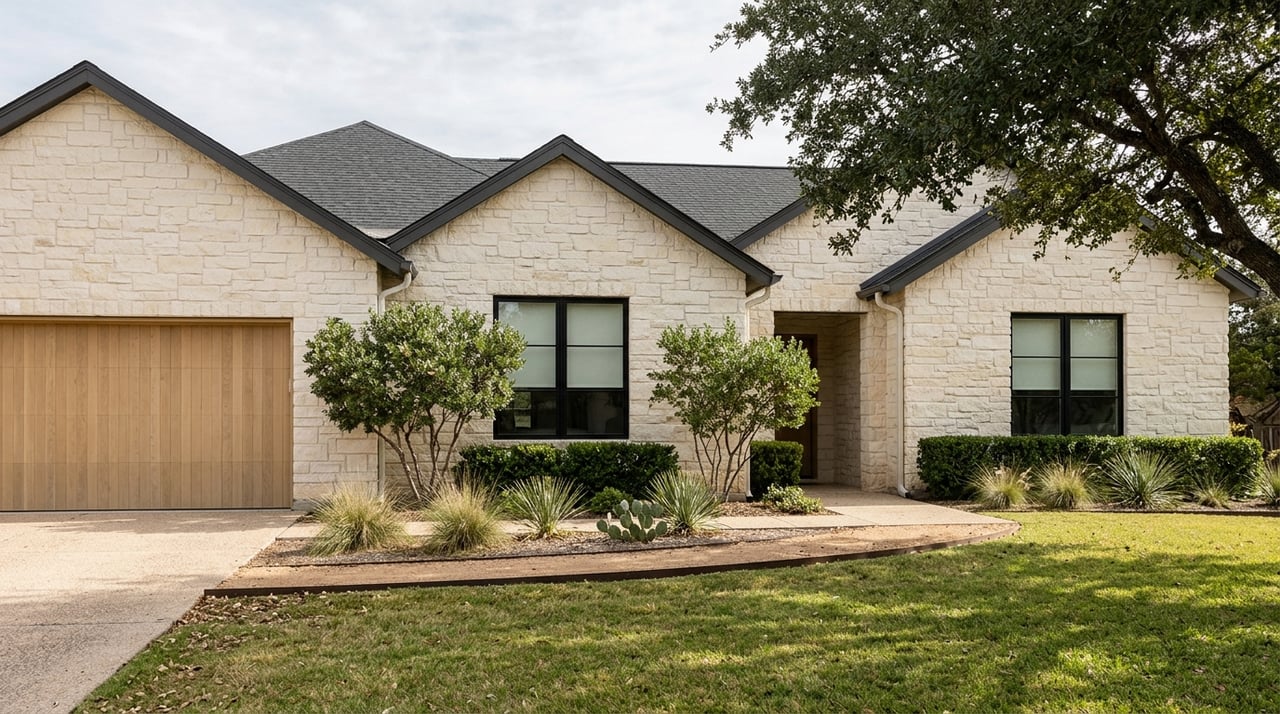
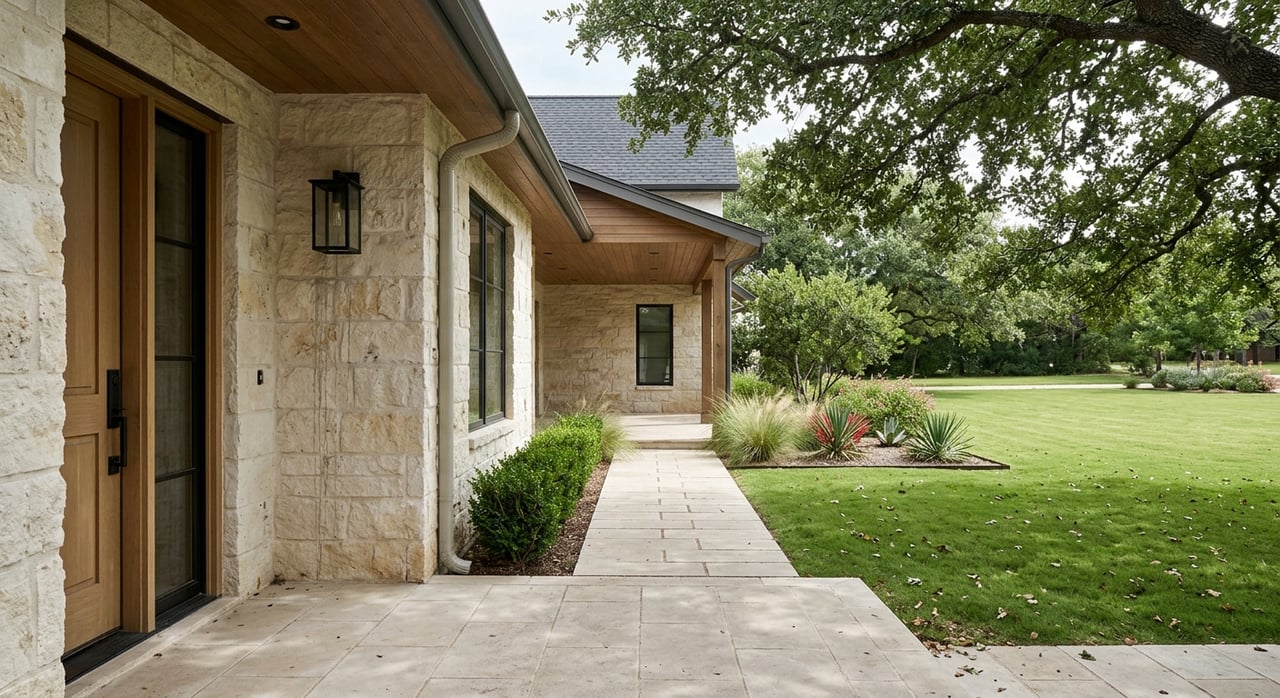
One of the most appealing parts of Fredericksburg real estate is that the housing stock is not one-note. Instead, it reflects the town’s long history and evolving design standards. You will find a mix of older homes, classic neighborhood styles, and newer Hill Country-inspired construction.
The city’s historic guidance points to early log and fachwerk homes, followed by stone houses, as part of Fredericksburg’s story. It also recognizes bungalow and ranch forms within the district’s architectural vocabulary. That makes the local housing character feel layered rather than repetitive.
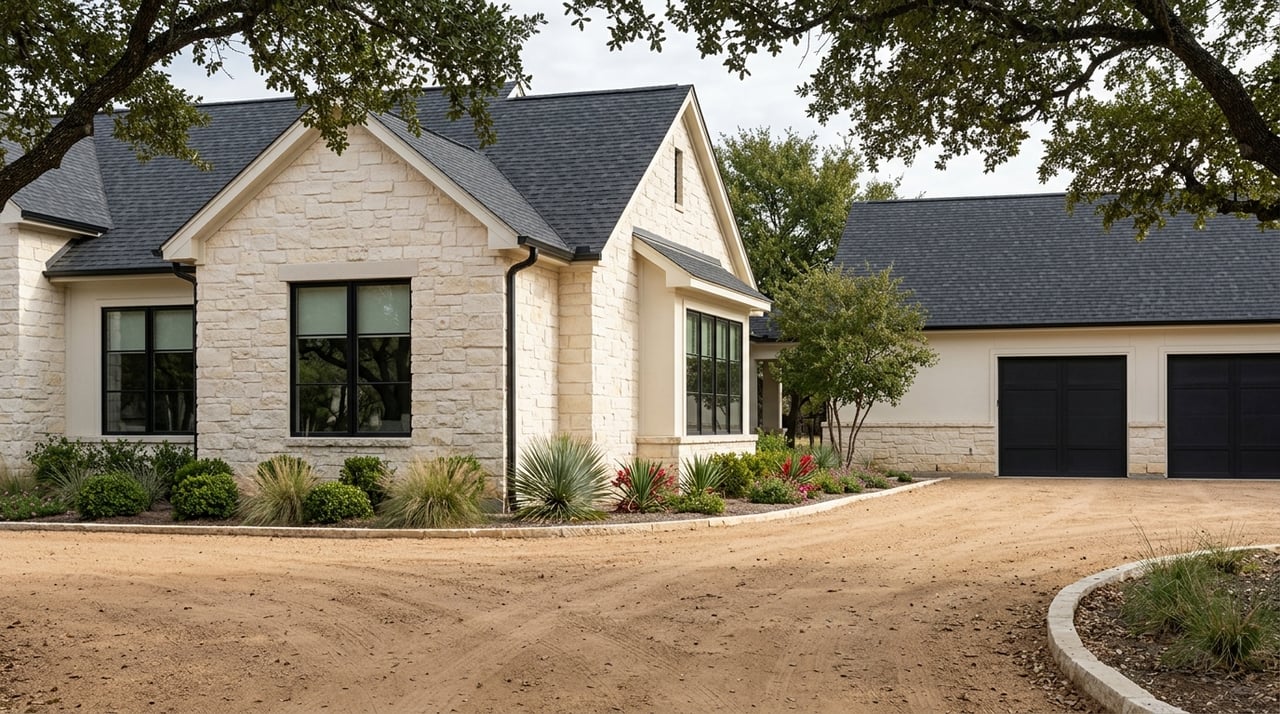
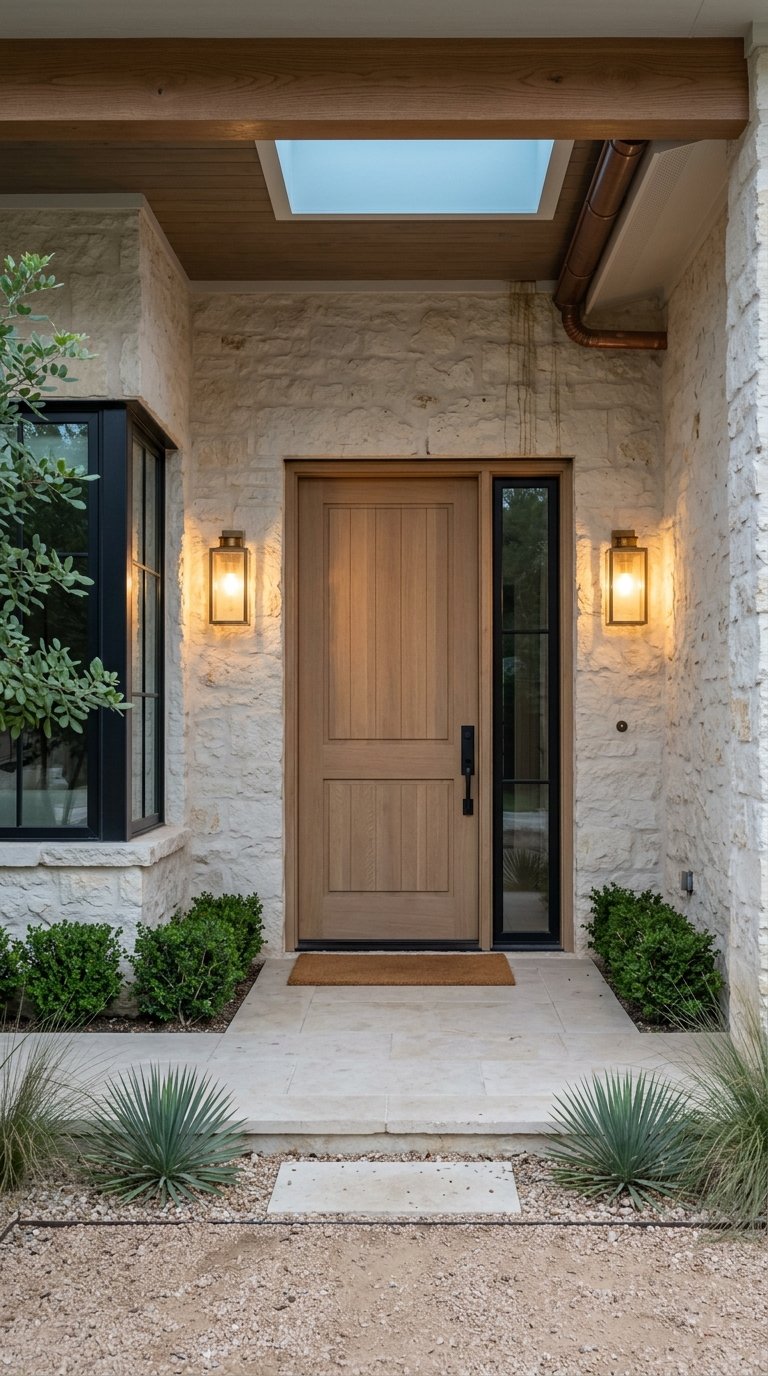
Newer homes can still fit into that broader aesthetic. The city identifies Farmhouse Modern and Hill Country Modern as compatible styles in the right context, often using materials like stone, wood, stucco, glass, and metal roofing. In practical terms, that means buyers can often choose between historic charm, classic residential styles, and more contemporary interpretations that still feel connected to the area.
Historic District Rules Matter
If you are drawn to an older home in Fredericksburg, it is important to understand the preservation framework before you buy. In the historic district, exterior changes to historic properties require a Certificate of Appropriateness. That applies to ownership decisions in a very real way.
The city’s design guidelines are intended to protect historic character, maintain economic vitality, and support property values. New construction in the district is expected to remain compatible with nearby historic resources while still reading as contemporary. In other words, the town encourages thoughtful evolution, but not change that ignores the surrounding context.
For buyers, this is not necessarily a drawback. It simply means design review is part of the ownership experience in certain areas. If you love architecture, details, and neighborhood character, this structure may actually be part of the appeal.
Is Fredericksburg Just a Weekend Town?
This is one of the most common questions buyers ask, and the short answer is no. Fredericksburg has long been a favorite weekend destination for Texans, but it also functions as a place to live, work, and enjoy throughout the week. The city provides standard municipal services, community gathering spaces, and recreational amenities that support daily life.
That distinction matters when you are evaluating a move. A town can be charming for visitors but less practical for residents. Fredericksburg stands out because it balances visitor appeal with real residential infrastructure and a strong local identity.
Fredericksburg Market Snapshot
Fredericksburg is a high-value market, and recent data suggests a more measured pace than a fast-moving frenzy. Different housing platforms report different figures because they use different timelines and definitions, but they point in a similar direction. Buyers should view them as complementary snapshots rather than exact matches.
As of late May 2026, Zillow reported a typical home value of $521,289, with 517 homes for sale and a median list price of $644,000. Redfin reported a median sale price of $489,957 for the three months ending May 2026, average days on market of 99, and a sale-to-list ratio of 97.3%.
Realtor.com reported a median listing price of $750,000, a median sold price of $482,187, 990 homes for sale, 32 homes for rent, and a median of 80 days on market as of May 2026. It also labeled Fredericksburg a buyer’s market. Taken together, these figures suggest that pricing, timing, and negotiation strategy matter.
What the Market Means for Buyers
If you are buying in Fredericksburg, the current market context may give you more room for careful decision-making than in an overheated cycle. A meaningful spread between asking prices and closing prices can create opportunities for negotiation. That makes preparation and local insight especially valuable.
It also means you should look beyond headline prices. In a market with varied home styles, historic considerations, and lifestyle-driven demand, two homes at similar price points may offer very different ownership experiences. The right fit often comes down to location, condition, design restrictions, and long-term goals.
Short-Term Rental Rules to Know
Some buyers explore Fredericksburg for second-home use or income potential, but local compliance matters. Inside city limits, most short-term rentals require a permit. Zoning approval matters, annual inspections are required, and lodging providers must collect and remit hotel occupancy taxes.
The city launched a new hotel occupancy tax portal effective July 1, 2026. The city also states that short-term rental permits are not currently required in the ETJ, though hotel occupancy taxes still must be remitted there. If the property is located in the historic district, exterior changes would still require a Certificate of Appropriateness.
These details are important if you are weighing personal use against income goals. In Fredericksburg, not every property works the same way, so it helps to understand the local rules before you fall in love with a home.
Who Fredericksburg May Fit Best
Fredericksburg can appeal to several types of buyers. You may be looking for a full-time residence with strong community character, a second home with Hill Country access, or a property that aligns with a long-term lifestyle shift. The common thread is usually a desire for a place that feels distinctive.
It may be a strong fit if you value:
- A walkable, locally focused downtown
- Historic architecture and preserved streetscapes
- Access to wineries, farms, and festivals
- Outdoor recreation and scenic surroundings
- A housing market with a mix of old and new home styles
Like any market, the best choice depends on how you plan to live. The more clearly you define your goals, the easier it becomes to narrow down the right property and location.
Fredericksburg offers a version of Hill Country living that feels both polished and grounded. From historic homes and Main Street energy to dark skies and seasonal farm stands, it gives you a lifestyle that many people first discover as visitors and then begin to picture as home. If you want thoughtful guidance as you explore Fredericksburg or other Hill Country communities, Terri Taylor-Walker, Realtor is here to help.
FAQs
What is daily life like in Fredericksburg, Texas?
- Daily life in Fredericksburg blends small-town routines with Hill Country attractions, including local shops, restaurants, parks, festivals, wineries, and seasonal farm experiences.
What types of homes are common in Fredericksburg, TX?
- Fredericksburg includes historic log, fachwerk, and stone homes, along with bungalows, ranch homes, Farmhouse Modern properties, and Hill Country Modern builds.
What should buyers know about Fredericksburg historic homes?
- Buyers should know that exterior changes to historic properties in the historic district require a Certificate of Appropriateness and must follow local design guidelines.
Is Fredericksburg, Texas a buyer’s market?
- Recent May 2026 market snapshots suggest a more measured market with negotiation room, and one major housing platform labeled Fredericksburg a buyer’s market.
Can you use a home as a short-term rental in Fredericksburg?
- In many cases yes, but inside city limits most short-term rentals require a permit, zoning approval matters, inspections are required, and hotel occupancy taxes must be collected and remitted.
Is Fredericksburg only for weekend visitors?
- No, Fredericksburg is a popular weekend destination, but it also functions as a full-service community where people live, work, and enjoy the Hill Country throughout the week.